
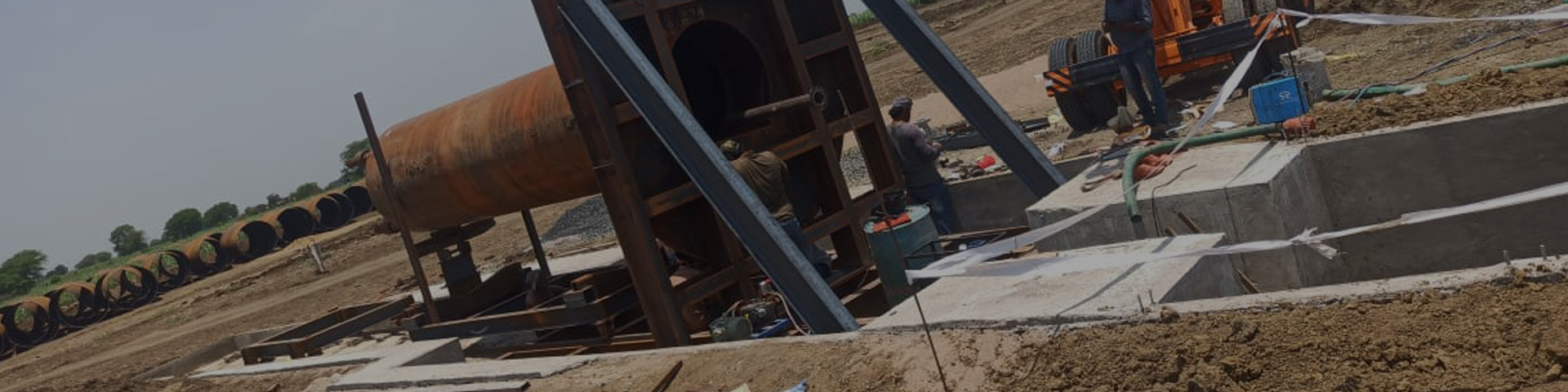
Infrastructure projects are essential for the growth of cities, industries, and communities. From water supply systems and irrigation networks to industrial facilities and large-scale construction, pipelines play a critical role in transporting water and supporting essential operations. However, the performance of any pipeline system depends heavily on the quality of its fabrication. Poor fabrication can lead to leakage, structural failures, costly repairs, and project delays.
Quality Pipe Fabrication for Infrastructure Projects is important because it helps ensure pipeline strength, dimensional accuracy, durability, and long-term operational reliability. By choosing experienced manufacturers and following proper fabrication standards, infrastructure developers can build pipeline systems that perform efficiently under demanding conditions.
What Is Pipe Fabrication?
Pipe fabrication is the process of preparing pipes for installation and use in different industrial and infrastructure applications. It includes cutting, shaping, beveling, welding, fitting, inspection, and finishing according to project requirements. Depending on the application, fabricated pipes may also require protective coatings to improve corrosion resistance and extend their service life.
For large infrastructure projects, fabrication must meet precise technical specifications. Factors such as pipe diameter, wall thickness, material quality, welding accuracy, and operating conditions influence the final product's performance. A well-fabricated pipeline is easier to install, performs reliably, and reduces the risk of unexpected maintenance.
1. Improves Pipeline Strength and Structural Integrity
Pipelines used in water supply, irrigation, and industrial applications must withstand different operating pressures, environmental conditions, and mechanical stresses. Weak welds, incorrect dimensions, or poor-quality materials can compromise the entire pipeline system.
High-quality fabrication helps maintain the strength and stability of pipe joints and connections. Proper welding procedures, accurate alignment, and thorough quality inspections reduce the chances of cracks, leakage, and structural damage.
Maintaining Industrial Pipeline Structural Integrity is particularly important for projects involving large-diameter pipes and long-distance transportation networks. When pipes are fabricated according to approved specifications, project teams can improve reliability and reduce the likelihood of failures during operation.
2. Ensures Long-Term Durability
Infrastructure pipelines are often expected to operate for many years with minimal disruption. Exposure to moisture, soil conditions, chemicals, temperature variations, and other environmental factors can gradually affect pipe performance.
Durable Pipeline Fabrication Solutions help address these challenges through appropriate material selection, accurate fabrication, and suitable surface protection. Depending on project requirements, protective systems such as internal lining and external coatings can help reduce corrosion and protect the pipeline from environmental damage.
Durability is especially important in underground pipelines and water transportation systems, where identifying and repairing a damaged section can be difficult and expensive. Investing in quality fabrication from the beginning can help extend pipeline service life and reduce long-term maintenance requirements.
3. Supports Efficient Water Supply and Irrigation Projects
Water supply and irrigation systems require dependable pipelines to transport water from one location to another. Any leakage, blockage, or structural weakness can affect water distribution, increase operating costs, and disrupt essential services.
Reliable Pipe Fabrication for Water Supply Projects helps ensure that pipelines meet the required dimensions, joint specifications, and performance expectations. Proper fabrication also supports accurate installation, helping contractors connect pipeline sections efficiently and maintain a consistent network layout.
For agricultural irrigation, municipal water supply, and industrial water distribution, reliable pipelines contribute to better resource management. Selecting a manufacturer that understands project-specific requirements can help infrastructure developers achieve dependable results.
4. Reduces Project Delays and Maintenance Costs
Poorly fabricated pipes can create problems during transportation, installation, and commissioning. Incorrect dimensions may require on-site modifications, while defective welds or damaged surfaces can lead to rework and inspection failures.
These issues can increase labour costs, delay project completion, and affect coordination between contractors and suppliers.
Quality fabrication helps reduce these risks by maintaining consistency throughout the manufacturing process. Accurate cutting, controlled welding, proper inspection, and timely delivery make installation more predictable. Although quality fabrication may require careful planning and investment, it can help prevent expensive repairs and avoidable downtime over the pipeline's operational life.
5. Enables Large-Scale Infrastructure Development
Major infrastructure projects often require large quantities of pipes in different sizes and specifications. Manufacturing these pipes consistently requires suitable production facilities, skilled personnel, reliable equipment, and systematic quality control.
Large-Scale Infrastructure Pipe Manufacturing supports projects by delivering pipes that meet defined technical requirements and project schedules. Consistency is particularly important when multiple pipe sections must be connected across extensive networks.
Manufacturers with capabilities in large-diameter pipe production, welding, internal lining, and external coating can help meet the varied requirements of irrigation, water supply, industrial, and infrastructure applications. Coordinated production and inspection processes also help contractors plan installation activities more effectively.
6. Maintains Safety and Quality Standards
Pipeline failures can cause property damage, service interruptions, environmental concerns, and safety risks. Quality assurance is therefore an essential part of pipe fabrication rather than an optional step.
Depending on the project, quality control may include material verification, dimensional checks, weld inspections, coating thickness checks, and pressure or other specified tests. Applicable standards and inspection methods should be selected according to the pipe material, intended use, engineering design, and contract requirements.
Working with a manufacturer that follows documented quality procedures helps project owners and contractors verify that fabricated pipes meet the required specifications before installation.
Why Choose Amma Engineering & Infrastructure?
Choosing the right pipe manufacturing partner is an important decision for any infrastructure project. Amma Engineering & Infrastructure Pvt. Ltd. manufactures MS pipes for irrigation, water supply, industrial, and infrastructure applications, with pipe diameters ranging from 500 mm to 3,500 mm. Its service capabilities include guniting, internal lining, brush coating, and concrete coating.
These capabilities are relevant to projects that require large-diameter steel pipes and appropriate protective treatments. When evaluating a fabrication partner, project teams should consider manufacturing capacity, material traceability, quality inspection procedures, coating requirements, delivery schedules, and compliance with applicable project specifications.
By prioritising these factors, infrastructure developers can make informed decisions and select pipeline solutions suited to their operational needs.
Conclusion
Quality pipe fabrication is a fundamental requirement for safe, durable, and efficient infrastructure development. It improves structural integrity, supports reliable water transportation, reduces installation challenges, and helps control long-term maintenance costs. From municipal water supply systems to irrigation networks and industrial facilities, properly fabricated pipelines contribute to dependable infrastructure performance.
Investing in Quality Pipe Fabrication for Infrastructure Projects from the planning stage can help minimise avoidable failures and support long-term operational efficiency. With suitable materials, skilled fabrication, protective coatings, and systematic quality checks, infrastructure developers can build pipeline networks designed to meet demanding project requirements.